
Derma V for Port-Wine Stain Treatment | Vascular Laser Explained by Dermatologist
Can Port-Wine Stains Be Treated?
One of the most common questions I hear from patients is:
“Can this type of red birthmark actually be treated?”
The short answer is — yes, but gradually and with the right approach.
Port-wine stains (PWS), or capillary malformations, are caused by dilated superficial blood vessels in the skin. These lesions are usually present from birth and tend not to resolve on their own. In some cases, they may even darken or thicken over time.
The current standard of treatment is vascular laser therapy, which aims to reduce the visibility of these abnormal vessels and improve overall skin tone.
A Real Case from Clinical Practice
Let me share a case that reflects how this treatment works in practice.
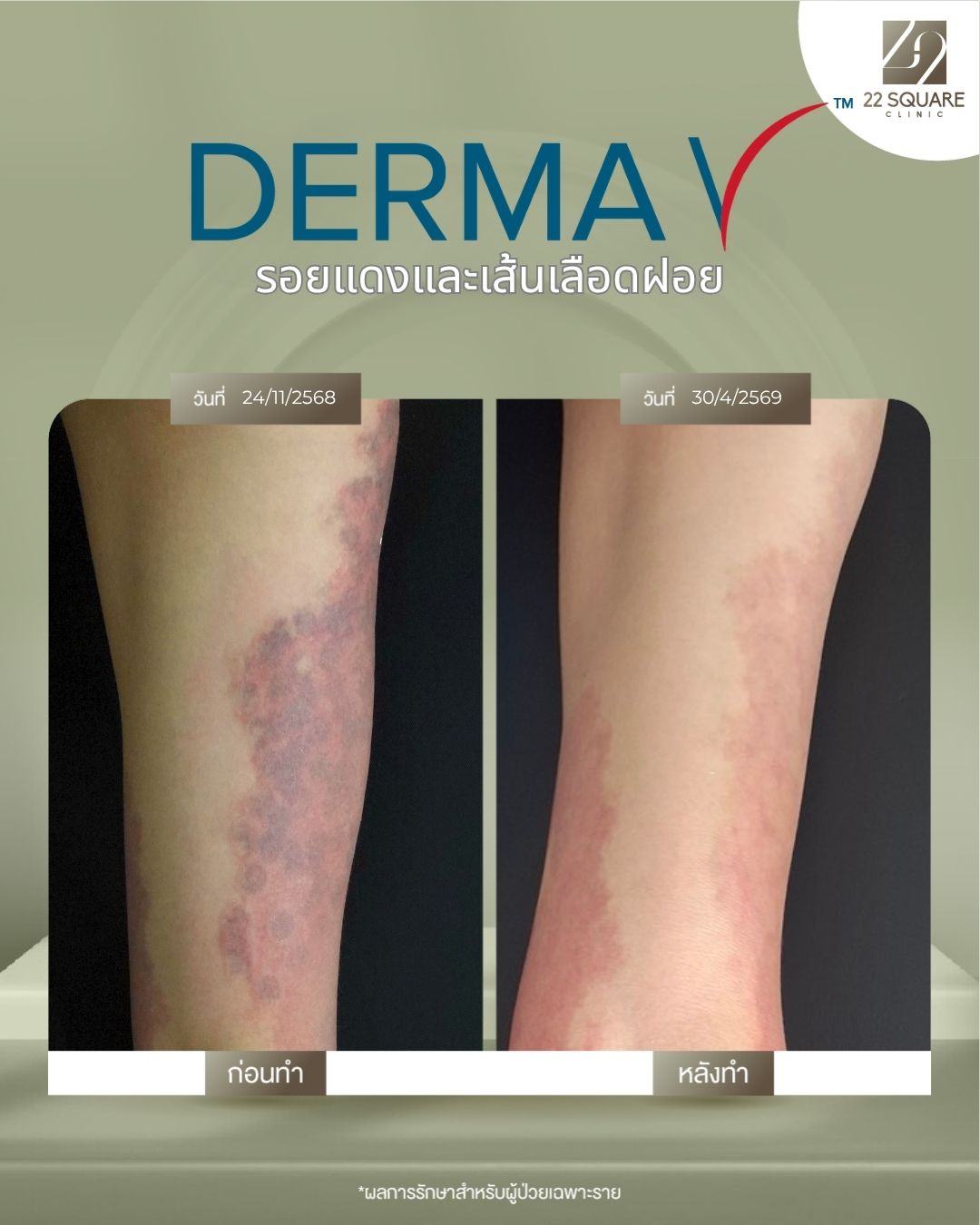
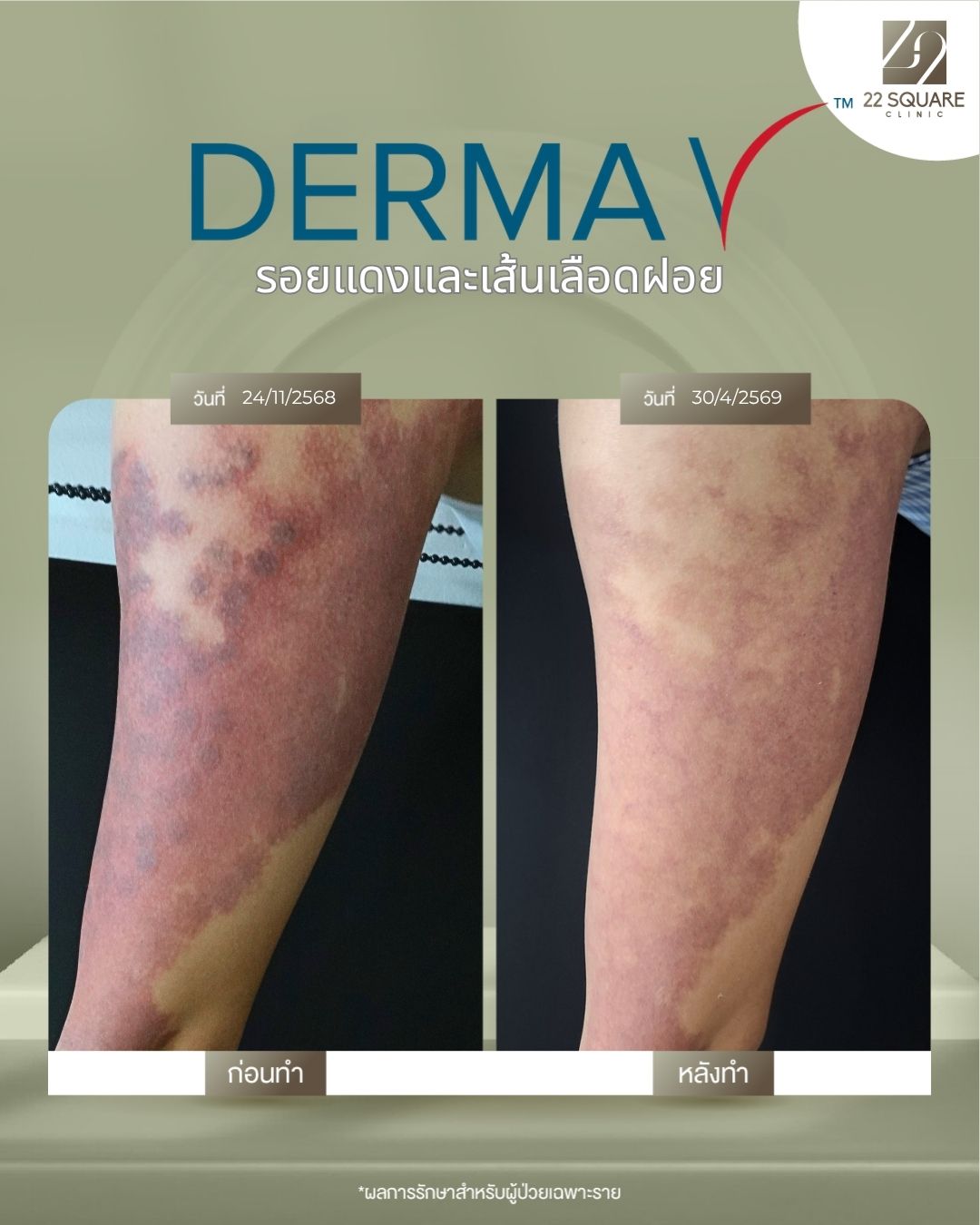
This patient presented with a port-wine stain on the arm, showing a mix of:
- bright red areas
- deeper, violaceous (purple) components
From clinical assessment, the lesion was not uniform —
some vessels were superficial, while others were located deeper within the dermis.
We proceeded with treatment using Derma V laser, over a total of 6 sessions.
After the treatment course:
- the red component was significantly reduced
- deeper purple tones became lighter
- overall skin tone appeared more even
There was still some residual discoloration, which is expected in this type of condition.
This case illustrates an important point:
the goal is improvement, not instant clearance.
How Does Laser Treatment Work?
Vascular lasers operate based on the principle of
Selective Photothermolysis (Anderson & Parrish, 1983)
In simple terms:
- Laser energy is absorbed by hemoglobin in blood vessels
- This generates heat
- The targeted vessels are selectively damaged
- The body gradually clears them over time
For this process to work effectively, several parameters must be carefully selected:
- wavelength
- pulse duration
- energy (fluence)
If the settings are too low, there may be minimal improvement.
If too high, surrounding skin may be affected.
What Makes Derma V Different?
Derma V is a versatile vascular laser platform that offers two key wavelengths:
- 532 nm → targets superficial vessels
- 1064 nm → penetrates deeper vessels
In reality, most port-wine stains are not uniform in depth.
This means that treatment often requires adjustment based on the characteristics of different areas within the same lesion, rather than using a single setting throughout.
What Patients Should Understand Before Treatment
1. Multiple sessions are usually required
Port-wine stains respond gradually.
Several sessions are typically needed to achieve noticeable improvement.
2. Results develop over time
Most patients begin to notice changes after a few sessions, with continued improvement over subsequent treatments.
3. Response varies between individuals
Outcomes depend on several factors:
- vessel depth
- lesion color
- anatomical location
- skin type
4. Laser settings matter
Even with the same device, outcomes can differ significantly depending on how treatment parameters are selected and adjusted.
What Does the Treatment Feel Like?
During treatment, most patients describe the sensation as:
- a snapping or flicking feeling
- mild heat in the treated area
After the procedure, it is common to experience:
- temporary redness
- mild swelling
- or slight darkening of the lesion
Occasionally, mild bruising (purpura) may occur depending on the settings used.
Post-Treatment Care
Proper aftercare plays an important role in achieving optimal results.
Patients are typically advised to:
- avoid excessive sun exposure
- apply sunscreen regularly
- use gentle skincare products
- avoid heat and irritation in the early recovery period
These steps help reduce the risk of post-inflammatory pigmentation and support skin recovery.
Summary from This Case
Based on this case and similar experiences:
- Port-wine stains can be significantly improved with laser treatment
- Multiple sessions are usually required
- Treatment should be tailored to the characteristics of each lesion
Derma V is a useful tool in managing these conditions, particularly when lesions involve both superficial and deeper vascular components.
Considering Treatment?
If you are considering treatment for a port-wine stain or persistent redness,
an in-person evaluation is recommended.
Although lesions may appear similar,
their underlying structure can differ significantly,
and treatment plans should be individualized accordingly.